
Cook County Criminal Court Records
Cook County criminal court records are mainly handled through the Clerk of Superior Court when the case is a felony or other Superior Court criminal matter. The clerk files criminal records and issues subpoenas, bench warrants, bond forfeitures, and arraignment notices. The office also compiles criminal and arraignment calendars. Magistrate Court matters may appear earlier in the process because that court handles almost all criminal warrants, search warrants, bad check warrants, bond hearings, waivers of extradition, contempt, and bench warrants.
Probate Court can also touch citation-level criminal matters. Its plea in absentia and reduction request page says a solicitor or prosecuting attorney reviews eligible requests and may email a plea offer with court costs in addition to a fine. For the full criminal case file and outcome, the Superior Court clerk path is the main route. For the arrest-to-charge path before full disposition, see Cook County arrest records and court charges.
Search Cook County Criminal Court Records
Cook County Superior Court criminal documents are reached through the Georgia Courts e-access provider path for Cook Superior and the local Clerk of Superior Court. The Georgia Courts page redirects Cook Superior users to PeachCourt, and PeachCourt requires registration or account access for searching court records through the provider. If the record is not available online, call or visit the clerk at 212 N. Hutchinson Ave., Adel, GA 31620, phone (229) 896-7717.
- Confirm that the case is a Cook County Superior Court criminal case, not a jail custody record, city citation, or federal case.
- Use Georgia Courts e-access and PeachCourt for account-based Superior Court document searching.
- Search with a defendant name, case number, or other identifying details available through the account system.
- Open the case docket to review charges, arraignment, motions, plea or trial activity, disposition, and sentence.
- Request a certified copy from the Clerk of Superior Court when the record is needed for legal use.
For statewide felony conviction checks, Georgia Felon Search is separate from Cook County court records. It is a paid GCIC service for felony convictions and does not include sealed, expunged, juvenile felony, or misdemeanor records.
The Georgia Felon Search source is assigned to Cook County criminal court records.
Use it as a statewide conviction check, not as a replacement for the Cook County criminal case file kept by the court.
Cook County Criminal Case Flow
A Cook County criminal court record changes as the case moves through court. A warrant or arrest may come first, but the court case record begins when formal charges are filed and docketed. The case then moves through arraignment, pretrial hearings, motions, possible plea talks, trial if needed, disposition, and sentencing. Each step may create a docket entry or document.
Case flow: Charges Filed › Arraignment › Pretrial / Motions › Plea or Trial › Disposition › Sentencing
| Stage | What Happens |
|---|---|
| Charges Filed | The accusation, indictment, citation, or other charging document opens the criminal case path. |
| Arraignment | The defendant is advised of the charge and a plea may be entered or scheduled. |
| Pretrial / Motions | The court hears motions, sets hearings, manages discovery, and addresses bond or warrant issues. |
| Plea or Trial | The case may resolve by plea, bench trial, jury trial, dismissal, or other disposition. |
| Sentencing | The court records sentence terms, probation, fines, court costs, or other conditions when applicable. |
What Cook County Criminal Records Show
Cook County criminal court records can show the court, circuit, filing date, defendant name, attorney, charge, warrant or bond entry, arraignment notice, plea, motion, hearing, calendar setting, disposition, sentence, probation condition, fine, court cost, bench warrant, bond forfeiture, and related docket history. Exact PeachCourt public fields were not visible without account access during research, so field claims should stay tied to known Cook County clerk functions and Georgia criminal case practice.
| Field | What It Shows |
|---|---|
| Case Number | The Superior Court identifier used to find the criminal case file or certified copy. |
| Defendant | The person charged in the criminal case. |
| Charges | The offenses as filed, amended, dismissed, or adjudicated. |
| Plea | Guilty, not guilty, nolo contendere, or another recorded plea status when available. |
| Disposition | The result, such as guilty plea, verdict, dismissal, nolle prosequi, or other outcome. |
| Sentence | Probation, confinement, fines, costs, conditions, or other penalty information when imposed. |
The GBI record restriction source explains Georgia's criminal history restriction process.
That state process can affect what appears in public criminal-history systems, even when the court file once showed the charge.
Cook County Charges vs Convictions
A charge is an allegation filed into the court process. A conviction is a court result after a guilty plea, a guilty verdict, or another qualifying adjudication. Cook County criminal court records can include charges that were later reduced, amended, dismissed, or ended in acquittal. That is why a charge list should never be read as a conviction list without checking the disposition and sentence fields.
| Point | Charge | Conviction |
|---|---|---|
| Stage | Formal accusation after warrant, arrest, citation, accusation, or indictment | Final or qualifying result after plea or trial |
| Proof | Based on probable cause or prosecutor filing decisions | Based on guilty plea, verdict, or adjudication |
| Record Use | Shows what was alleged and tracked in court | Shows the outcome that may support sentencing or felony conviction search results |
Cook County Dispositions and Sentences
Disposition is the result of a case or charge. Common terms include guilty, not guilty, dismissed, nolle prosequi, amended, reduced, and nolo contendere. A sentence is different from disposition. Sentencing may include jail, prison, probation, fines, court costs, treatment terms, community conditions, or other court orders. In traffic and citation matters, Probate Court materials also mention plea offers, court costs, adjudication, certified copies, regular copies, failure-to-appear fees, bench warrants, and license suspension status.
Cook County criminal court records may also connect to driving records in limited situations, but the state driver record is not the same as the court file. The DDS Motor Vehicle Report shows driving history. A court traffic or criminal case shows the charge, court date, plea, disposition, and sentence from the court system.
The Georgia DDS MVR guidance is assigned as a criminal-record related source because traffic and criminal outcomes can affect driving-history questions.
Use DDS records for driver history, and use Cook County court records for the court's criminal or citation case history.
Cook County Sealed vs Restricted Records
Georgia sources use record restriction for many criminal-history limits. Cook County Probate Court has a local misdemeanor record restriction page for eligible Georgia misdemeanor convictions. The page says the sentence must be complete, the person must not have a disqualifying new conviction for at least four years before filing, no charges may be pending, and the prosecuting attorney must be served. A hearing, if requested, is held within 90 days.
| Point | Sealed or Confidential | Restricted Criminal History |
|---|---|---|
| Effect | Record is not open to normal public inspection. | Public access to qualifying criminal-history information is limited for non-criminal justice purposes. |
| Cook County Examples | Juvenile, adoption, military discharge, will-safekeeping, and sensitive mental-health matters. | Eligible misdemeanor or arrest records under Georgia restriction rules. |
| Source | Clerk and Probate Court access limits. | GBI and Cook County Probate Court record restriction guidance. |
The Cook County misdemeanor record restriction page is assigned to this criminal court records page.
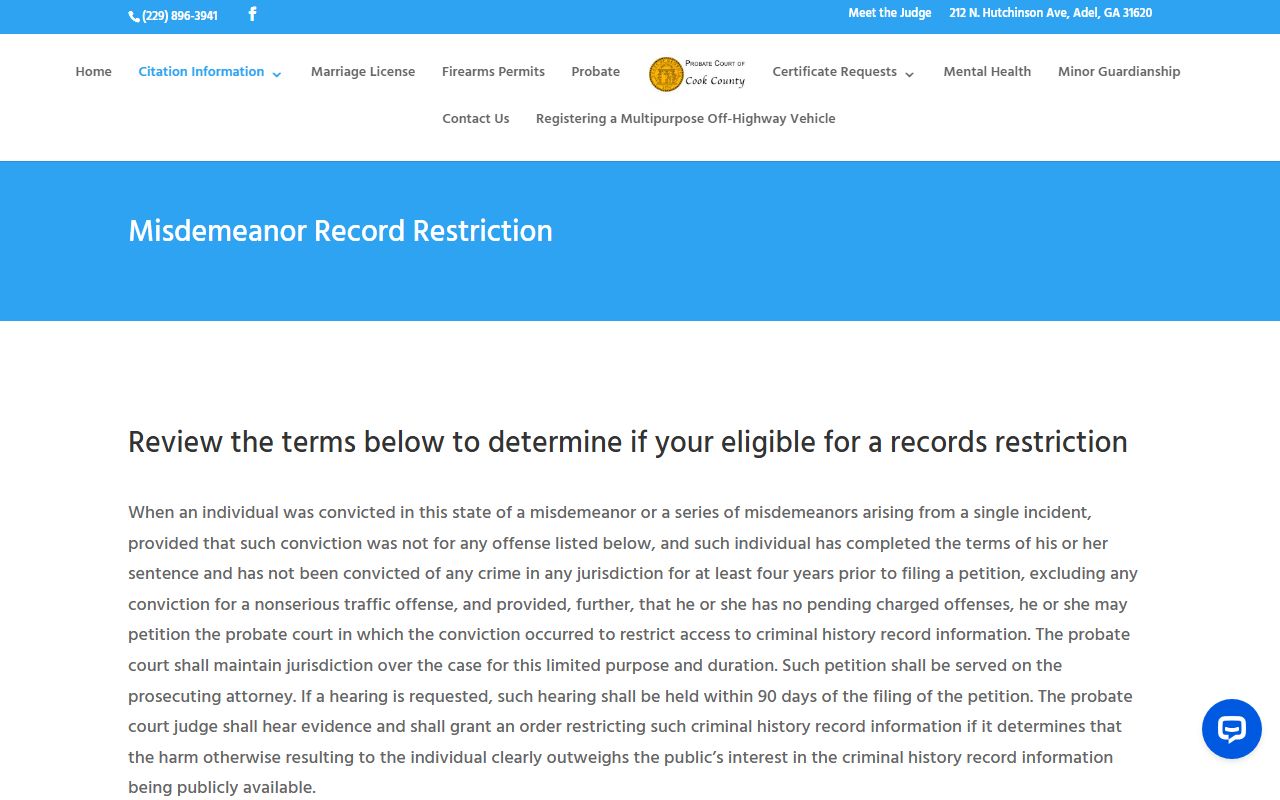
That local Probate Court process is separate from simply searching the Cook County criminal case docket.
Access Cook County Criminal Records
Public access to Cook County criminal court records depends on the record type and the custodian. Superior Court criminal records are handled by the Clerk of Superior Court. Magistrate Court handles many warrant and bond functions before or alongside a criminal case. Probate Court handles county citation and misdemeanor restriction materials. Statewide searches include Georgia Felon Search for paid felony conviction checks and GBI record restriction guidance for limited public access issues.
Key Statutes:
O.C.G.A. 50-18-70 gives Georgia public records a broad presumption of availability unless an exemption applies.
O.C.G.A. 35-3-37 is the Georgia criminal history record restriction law cited by GBI.
The DDS online MVR portal is useful only for authorized driver-history requests.
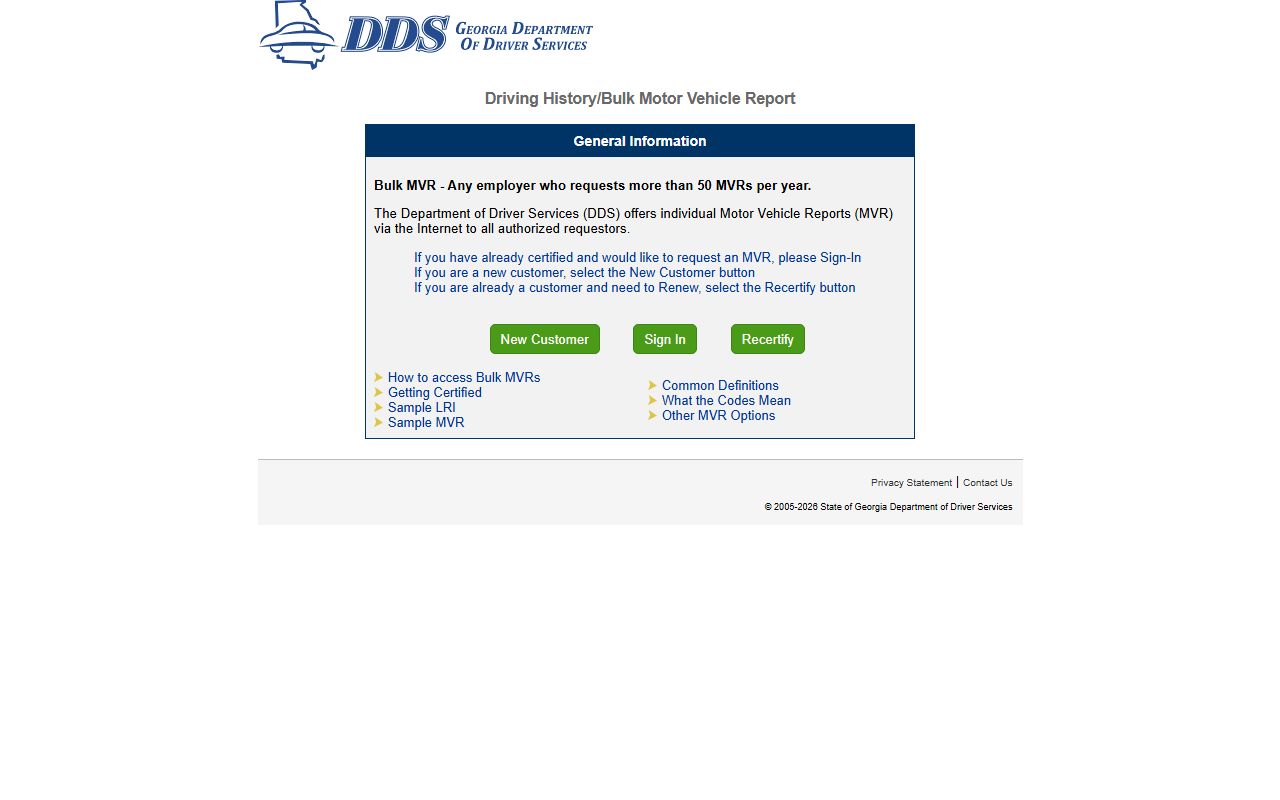
Driver-history tools may reflect traffic consequences, but they do not replace Cook County criminal court records from the clerk.
Restricted Cook County Criminal Records
Restricted Cook County criminal records include juvenile records, sealed or restricted criminal history, and records tied to protected categories. The Cook County Clerk of Superior Court states that juvenile records are not available to the general public. Adoption and military discharge filings are also outside general public access. Georgia Felon Search excludes sealed, expunged, juvenile felony, and misdemeanor records.
Some citation or traffic outcomes also have state consequences. Georgia's Super Speeder law is handled through DDS, not the Cook County criminal case file, but it may follow certain high-speed convictions. A Cook County record user should separate the court result from the state driver-record consequence.
The Georgia Super Speeder source is assigned to this page because some criminal or traffic outcomes can create DDS consequences.
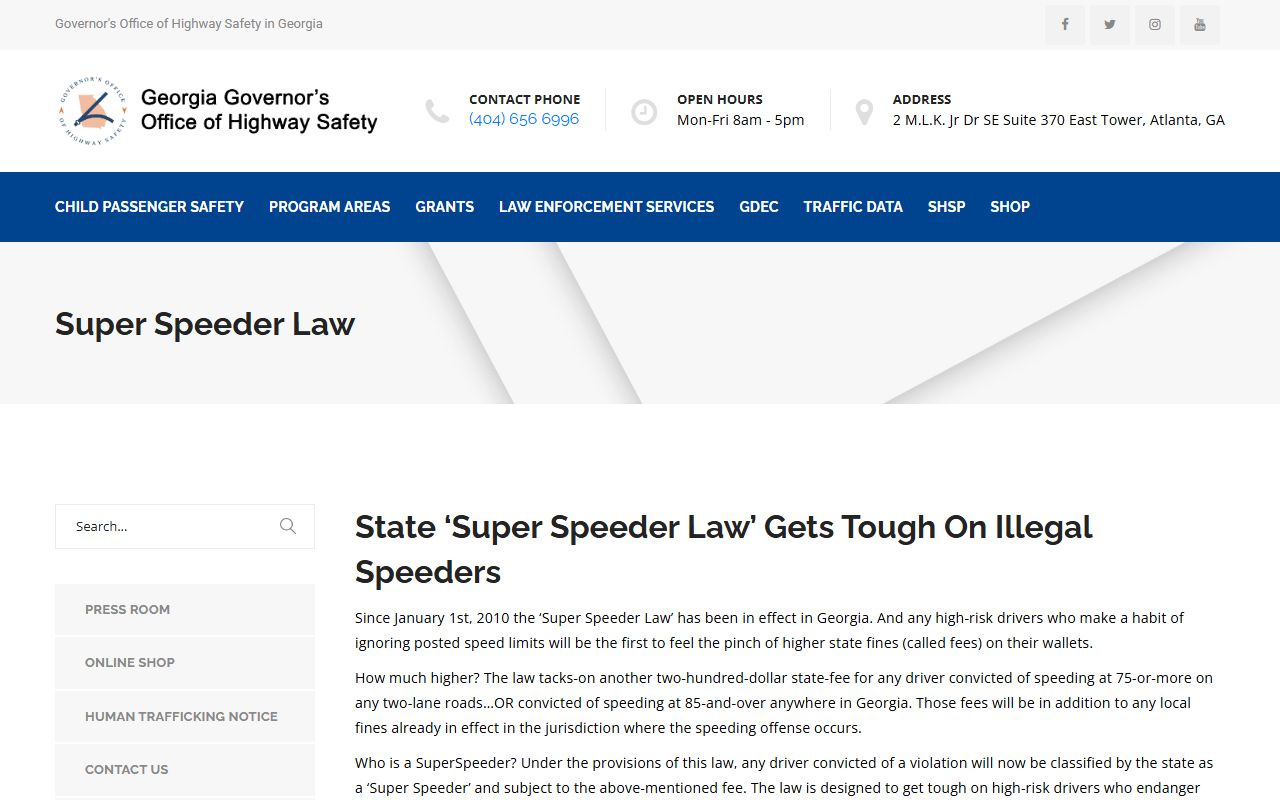
Read the Cook County disposition first, then check any state agency record only when the case type calls for it.